Contents

Does fish drink water? Our bodies and fish’s bodies also require water. Without it, the chain reactions that go on constantly in our bodies will certainly be free of solvents as well, and we will pass away. The short answer is yes, some fish can live in seawater – yet not every one of them. Fish are terrific animals and have some wonderful methods to live undersea. Naturally, different kinds of fish have created different services.
The bony kinds of fish that reside in the sea– such as cod, herring, tuna, and so forth– have a few means of getting water in and out of the body. As well as ingesting and peeing, as humans do, these fish can pass it via their skin as well as their gills. The bony kinds of fish that stay in the sea– such as cod, herring, tuna, and so on– have a few means of getting water in and out of the body. As well as ingesting and peeing, as humans do, these fish can pass it through their skin and also their gills.
Does a fish drink water?
To recognize just how this works, you initially need to understand that bony fish have a different concentration of salt in their bodies than in their environment. This implies they’re more or less salted than the water they swim in.
The bodies of marine fish (which stay in the sea) are less salty than the water they swim in, while the bodies of freshwater fish (which stay in rivers as well as lakes) are much saltier than the water they swim in. Both aquatic as well as freshwater fish need to manage the amount of water and also salt in their bodies, to remain healthy and balanced as well as moisturized.
Freshwater type
All of us require water for our survival; we drink it to maintain particular balances within our bodies, generally a balance between water as well as salt. Fish that stay in freshwater don’t drink much water at all, a minimum of not in the manner in which we do. They don’t take much water in via their mouths; if they did, they would certainly run the risk of over-diluting their blood as well as unbalancing the salt-water balance within their bodies.
Freshwater fish have a greater concentration of salt in their blood and body tissue than in the water that borders them. They take percentages of water into their bodies through their skin and their gills, and afterward pass excess water out through urine. The process that enables the water to enter their bodies in this manner is called osmosis.
Osmosis
Osmosis is the process wherein particles relocate from a solution of high concentration to an area of reduced concentration. These particles relocate through a semi-permeable membrane layer easily (meaning that the process is spontaneous as well as does not need any kind of added input of energy) to match the focus of the service on either side of the membrane layer.
When we use this to our fish, what it implies is that the water relocates with the fish’s skin (the semi-permeable membrane) to dilute the salt in the fish’s body and also develop a more equivalent balance of salt and also water between the body of the fish and also the water it lives in.
Saltwater type
When fish reside in seawater points are reversed the concentration of salt in the water they stay in is higher than the concentration of salt within their bodies. Osmosis, for that reason, causes water to move from their bodies to the water around them. This places them in constant danger of dehydration, which seems ironic as they stay in the water.
To compensate for this, one needs to proactively consume alcohol water with their mouths. They refine the water and afterwards create small amounts of salty pee along with producing salt through specialized cells in their gills.
Hard to stay hydrated
Bony aquatic fish are constantly losing water from their body via a process called “osmosis”. During osmosis, water moves through a membrane layer (like skin) from locations of reduced concentration to areas of higher concentration.
Keep in mind, the body of a marine fish is much less salty than the saltwater it swims in– which suggests it has a lower concentration of salt. So these species in fact shed water with osmosis: it passes from their body, through their skin and also gills, out into the sea. Since they’re frequently losing water by doing this, these fish have to consume a lot of seawater to stay hydrated.
You could be interested to recognize that the opposite happens in freshwater species. Water flows into their body via osmosis, rather than out. This suggests they do not normally need to consume alcohol– however, they do need to pee a whole lot. We all recognize that too much salt misbehaves for us. So certainly, an animal that consumes saltwater has to have the means to eliminate excess salt.
Marine fish have kidneys, which pump excess salt right into their pee so they can get it out of their bodies. They additionally have unique cells in their gills that pump excess salt out into the sea. Together, these two systems imply that aquatic fish can stay hydrated.
Salty sharks
Sharks have a completely different system. Their bodies have a slightly greater concentration of salt than saltwater. This indicates they do not have the issue that bony fish have, of losing water through their skin all the time.
- Sharks have high levels of waste chemicals– called urea and trimethylamine N-oxide– in their body, which various other animals would generally remove.
- Sharks maintain them in their body, which keeps them “salty”.
- Sharks take in percentages of water via their gills (by osmosis– because they are slightly saltier than the sea), which means they do not have to consume.
- Sharks additionally have a salt gland (in their rectum) to get rid of any type of excess salt they may have.
The issue of drinking seawater isn’t just for fish. Some seabirds– albatrosses, as an example– have to consume alcohol saltwater as well. Like sharks, these seabirds have a salt gland to get rid of excess salt. However, on an albatross, it is located on top of the bird’s beak.
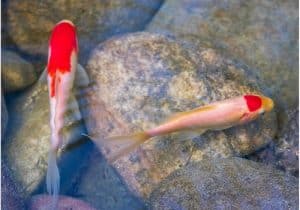
What concerning salmon?
Some fish can stay in both fresh and saltwater; salmon, for example, pass from freshwater to saltwater, and after that back again, at various stages of their life cycle. Their bodies change from one procedure to an additional to cope with the changes in salt concentration. When salmon move from freshwater to saltwater, they start to consume a great deal of water and also reduce the quantity of urine they secrete.
Specialized cells within their gills pump salt out of their bodies. All these modifications occur throughout several days, normally while the fish is in the intertidal zone.
When the salmon return to freshwater near the completion of their life cycle, these shifts are turned around.
If they drink, does that mean they get parched?
So seawater fish do drink water, does that mean that they get thirsty? The response is still no; as they reside in water, they probably do not take it in as an aware response to choose and drink water. Thirst is generally defined as a requirement or desire to drink water. It is unlikely that fish are reacting to such a driving pressure
When it comes to freshwater one, their blood and body liquids are much more salty than the water they swim in, so water moves in via their gills. For saltwater fish, the opposite is true.
As well as obtaining water through osmosis, deep-sea fish need to drink water purposefully so as to get sufficient water into their system. On the occasion that their freshwater companions lead water into their mouths through their gills, the deep-sea fish place some into their gastrointestinal system.
But the fish’s body, like our own, needs a particular focus of salt to operate ideally. They can not just allow water to diffuse freely via their gills; The saltwater types will certainly reduce, and the freshwater fish will explode!
To stop the exploding fish phenomenon, their gills have unique cells that uniquely pump salt in or out of their blood. In freshwater species, the cells frequently pump salt in, and in deep-sea fish, they regularly pump salt out. Deep-sea fish’s kidneys likewise help to strain some of their salt.
Basically, some, but not all, fish drink. Kind of like how some, but not all, fish … fart.
So, bear in mind that the following time you’re preparing your fish’s storage tank, you’re not only developing his setting yet his beverages as well. Visit our homepage to see more: Champagnereef.com
See also:


